Understanding Neurotransmitters: Our Family’s Journey with a Unique Autism Test
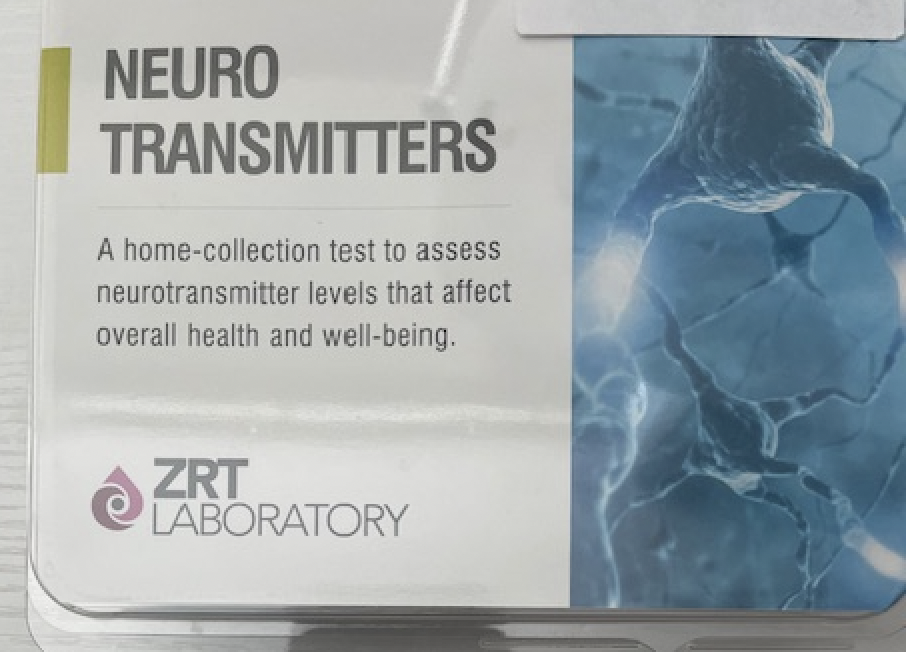
When you’re a parent of a child with autism, you quickly learn the journey is full of questions—and sometimes, frustration and hope in equal measure. You find yourself diving deep into research, connecting in forums, and exploring both conventional and alternative therapies. Every child is so unique, which is why our MAPS (Medical Academy of Pediatric Special Needs) doctor recommended something I’d never really heard of before: a neurotransmitter test. It’s a specialized lab test—not something you find in every doctor’s office—and for our family, it felt like opening a new chapter in understanding our son.
What Are Neurotransmitters and Why Do They Matter?
Think of neurotransmitters as the “text messages” your brain sends out. They are chemical messengers that zip between nerve cells, carrying instructions for just about every function you can imagine: mood, sleep, stress, attention, even how hungry you feel or how quickly you react to pain.
Some important neurotransmitters you might hear about include:
Serotonin – Often called the “feel-good” chemical, involved with mood and happiness as well as sleep, appetite, and digestion.
Dopamine – Plays a big role in motivation, focus, and reward; linked to attention and movement.
GABA (gamma-aminobutyric acid) – The “calming” neurotransmitter, which helps suppress anxiety and promote relaxation.
Norepinephrine – Helps regulate alertness, energy, and response to stress.
In the brain and body, it’s all about balance. If neurotransmitter levels are too low or too high, this delicate system gets thrown off. Research suggests that children with autism are more likely to have imbalances of certain neurotransmitters, a factor that might play into symptoms like anxiety, sleep trouble, mood swings, or hyperactivity. But each child’s neurochemistry is a little different. That’s where testing comes in.
How Does a Neurotransmitter Test Work?
Unlike some medical tests that require scary needles or lots of waiting around, a neurotransmitter test is actually pretty simple with it most often being a urine test. Here’s what typically happens:
Sample Collection: At home, you collect a urine sample first thing in the morning (or as instructed) and send it off to the lab.
Lab Analysis: The lab measures the levels of different neurotransmitters in the urine, such as serotonin, dopamine, epinephrine, norepinephrine, GABA, glutamate, and sometimes even histamine or glycine.
Comparing the Results: The lab compares your child’s neurotransmitter levels to what’s considered “normal” for their age. The results might show that some chemicals are much higher or lower than expected.
It’s important to note: While urine levels don’t always perfectly reflect brain levels, some research suggests there’s still a valuable connection especially for identifying dramatic imbalances or patterns associated with certain symptoms.
Our Experience: Why Our MAPS Doctor Recommended the Test
Our MAPS doctor is someone who takes a big-picture approach, not just looking at behaviors but at the body’s entire ecosystem. During our appointment, we discussed our son’s ongoing struggles, particularly his anxiety, restless sleep, and the way small changes seem to really unsettle him.
Our doctor explained that while every child with autism is different, some symptoms could be related to neurotransmitter imbalances. For instance:
Low serotonin might contribute to depression, rigidity, or sleep issues.
High dopamine might cause impulsivity or even aggressive outbursts.
Low GABA could look like trouble calming down or chronic anxiety.
The test wasn’t offered as a magic solution. Instead, our doctor described it as another piece of the puzzle—a way to fine-tune our approach and possibly spare our son from months of “trial and error” with supplements or therapy tweaks. However, this kind of lab isn’t standard, and most insurance plans don’t cover it. Ours cost about $300 out of pocket, which was a tough decision, but we decided the chance for clearer answers was worth the investment.
How Are Results Interpreted?
Once the results are in, the doctor looks for trends such as are certain neurotransmitters very high or low compared to expected ranges? For instance, if our son's GABA comes back low and glutamate is high, it might explain his restlessness or struggles with self-regulation. If dopamine is much lower than average, we might look more closely at focus or reward-seeking behaviors. Interpretation is nuanced; a skilled provider (like our MAPS doctor) considers not only the raw numbers but also how they line up with observed symptoms.
Sometimes, the test may prompt further exploration, say, checking for vitamin deficiencies, gut health issues, or metabolic problems that could be impacting neurotransmitter production.
Why Is This Relevant for Kids with Autism?
So many symptoms of autism whether it's anxiety, sensory overload, or trouble with focus can overlap with the effects of neurotransmitter imbalances. Understanding a child’s individual neurochemical “fingerprint” doesn’t change their diagnosis, but it can help tailor interventions.
For example, if the test reveals low serotonin, a doctor might suggest natural supplements or dietary adjustments that support serotonin production. If GABA is low, magnesium or other nutrients might be helpful. Or, the results might spur a shift in therapy strategies, perhaps favoring calming exercises or routines that build emotional resilience.
The goal isn’t to “fix” who our kids are but it’s to help them feel more comfortable in their own bodies so they can thrive.
What We Hope to Learn
While we’re waiting on the results, I find myself imagining what insights we might gain. What if we finally have a clear reason for our son's night-waking, or an explanation for his cycles of intense focus followed by exhaustion? What if we learn that supporting his brain chemistry, gently and thoughtfully, helps him feel less anxious and more adaptable?
We’re not expecting miracles. But even if this test guides us toward small improvements, the cost, effort, and patience will all be worth it. Knowledge is empowering. Having specifics could save us years of guessing, giving us more confidence as parents and more comfort for our son.
If you’re considering a neurotransmitter test for your own child, talk openly with your provider about what you hope to learn, your child’s history, and what action steps could follow any results. For us, it’s a path to greater understanding, one step of many, but a hopeful and meaningful one.
Disclaimer: This post reflects our personal opinions and experiences and is for informational purposes only. It is not intended as medical advice. Always consult a qualified healthcare professional regarding medical decisions or concerns.
