Benefits of A2 Milk for Kids With Autism
If you have a child on the autism spectrum, you know that food can be a battlefield. My son is what I affectionately call a "milk monster." While getting him to eat broccoli or grilled chicken is a negotiation process worthy of a UN summit, a cold glass of milk is his absolute comfort zone. He loves it. He drinks a lot of it.
For a long time, I was just happy he was getting calories and calcium. But like many parents in the autism community, I started hearing whispers about the "gut-brain connection" and how dairy might be affecting his behavior and digestion. The advice to go completely casein-free (no dairy at all) felt daunting because it meant taking away his favorite thing.
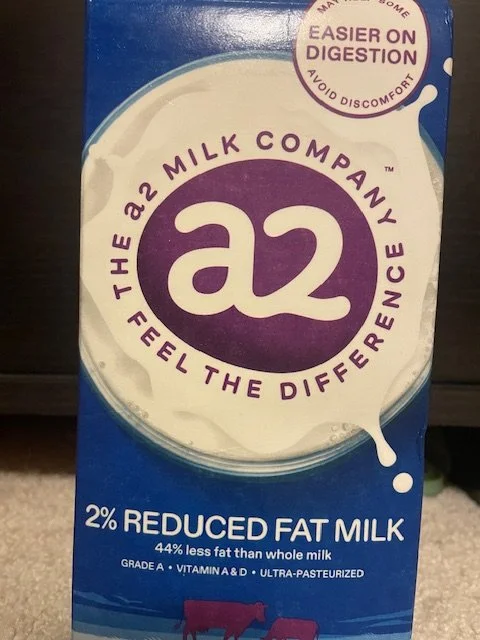
That’s when we stumbled upon A2 milk. It sounded like a marketing gimmick at first, but after doing some research and trying it out, it changed our daily routine significantly. If you’re wondering if A2 milk is worth the hype—and the extra cost—here is what we learned and the improvements we saw in our son.
The Gut-Brain Connection in Autism
Before diving into the specific proteins in milk, it helps to understand why we are talking about digestion in the first place. It is widely documented that children with Autism Spectrum Disorder (ASD) frequently suffer from gastrointestinal issues. Chronic constipation, diarrhea, bloating, and abdominal pain are common complaints.
Because the gut and the brain communicate constantly via the nervous system, physical discomfort in the belly often manifests as behavioral issues. If a child is non-speaking or has trouble identifying pain, a stomach ache might look like irritability, aggression, or sleep disturbances.
For my son, we noticed that after a day of heavy milk drinking, he often seemed sluggish and bloated. He wasn't necessarily "allergic" to milk in the traditional sense—he didn't break out in hives—but his system definitely seemed bogged down.
What is the Difference Between Regular Milk and A2 Milk?
To understand why A2 milk might be different, we have to look at the proteins found in cow's milk. The primary protein in milk is casein. There are two main types of beta-casein: A1 and A2.
A1 Protein: This is found in most milk from cows in the US, Europe, and Australia (breeds like Holsteins and Friesians).
A2 Protein: This is the original milk protein. Cows, goats, sheep, and humans all naturally produce milk with only the A2 protein.
Thousands of years ago, a genetic mutation occurred in European dairy herds, causing them to produce the A1 protein. Today, regular grocery store milk contains a mix of both A1 and A2 proteins. A2 milk (the brand and the type) comes from cows that have been genetically tested to ensure they only produce the A2 protein.
Why Does the Protein Type Matter?
The science suggests that the A1 protein digests differently than A2. When the body breaks down A1 protein, it creates a peptide called BCM-7 (beta-casomorphin-7).
Some research indicates that BCM-7 can cause inflammation in the gut. For autistic children, who may already have a "leaky gut" or higher levels of inflammation, this peptide can cross into the bloodstream and potentially affect the brain, mimicking opiates. This is often referred to as the "opioid excess theory."
A2 milk does not produce BCM-7 during digestion. This makes it structurally more similar to human breast milk or goat milk, which is why many people find it easier to digest.
Our Experience: Switching to A2 Milk
We decided to run an experiment. We didn't tell my son we were changing anything (luckily, A2 milk tastes exactly like regular milk). We simply swapped the carton in the fridge.
Here are the changes we noticed within the first two weeks:
1. Improved Digestion
This was the most immediate change. The bloating that usually plagued him in the evenings went away. He became more regular, and he stopped pressing his tummy against the furniture, which was his non-verbal way of telling us his stomach hurt.
2. Better Sleep Patterns
Because he wasn't physically uncomfortable, he started sleeping more soundly. He used to wake up frequently, tossing and turning. Once the digestive distress settled down, his sleep cycles smoothed out.
3. Clearer Focus
This is anecdotal, but we felt he was more "present." When his body wasn't busy fighting inflammation or dealing with a stomach ache, he seemed to have more bandwidth for learning and interaction. It wasn't a miraculous "cure"—he is still autistic—but the fog seemed to lift a little.
The Cost Factor: Is It Worth It?
I won't sugarcoat it: A2 milk is more expensive than standard dairy milk. When you have a child who goes through a gallon every few days, that cost adds up quickly. We definitely felt the pinch in our grocery budget.
However, we viewed it as a medical expense rather than just a food expense. If it kept him comfortable and happy, it was worth the extra dollars.
A Budget Tip for Parents:
We found that prices vary wildly depending on where you shop. In our area, the grocery stores mark it up significantly, but we consistently find it cheaper at Target. Target seems to keep the price more competitive, and they often run sales or circle offers on their dairy products. If you plan to make the switch, check the apps for big-box stores before buying it at a premium supermarket.
Should You Try A2 Milk for Your Child?
Every child on the spectrum is unique. What works for my son might not work for yours. However, if your child loves dairy but suffers from digestive issues or "brain fog," A2 milk might be a good middle ground before attempting a fully dairy-free diet.
How to Transition
If you want to try it, you don't need to do it cold turkey.
Mix it: Start by mixing half regular milk and half A2 to ensure the taste isn't noticeably different (though it shouldn't be).
Observe: Keep a simple journal. Note down sleep, bowel movements, and general mood for a week while on regular milk, and then for a week on A2.
Check ingredients: Ensure you are buying milk that is explicitly labeled as "100% A2 Beta-Casein."
Giving Your Child Comfort
Navigating nutrition for autistic children is complex. We want them to be healthy, but we also want them to enjoy their food and feel safe with their "safe foods." For us, A2 milk allowed us to keep the milk my son loves so much while removing the protein that was causing him pain.
It was a small switch that made a big difference in our household. If you are struggling with similar gut issues, it might be time to take a trip to the dairy aisle—and maybe check Target first to save a few bucks.
Disclaimer: This post reflects our personal opinions and experiences and is for informational purposes only. It is not intended as medical advice. Always consult a qualified healthcare professional regarding medical decisions or concerns.
