Can Fiji Water Really Help Kids With Autism? My One-Week Experiment
If you are a parent of a child on the spectrum, you know the drill. We spend late nights falling down internet rabbit holes, reading forums, and scrolling through Facebook groups. We are constantly looking for that one thing—a supplement, a therapy, a dietary change—that might make life just a little bit easier for our kids.
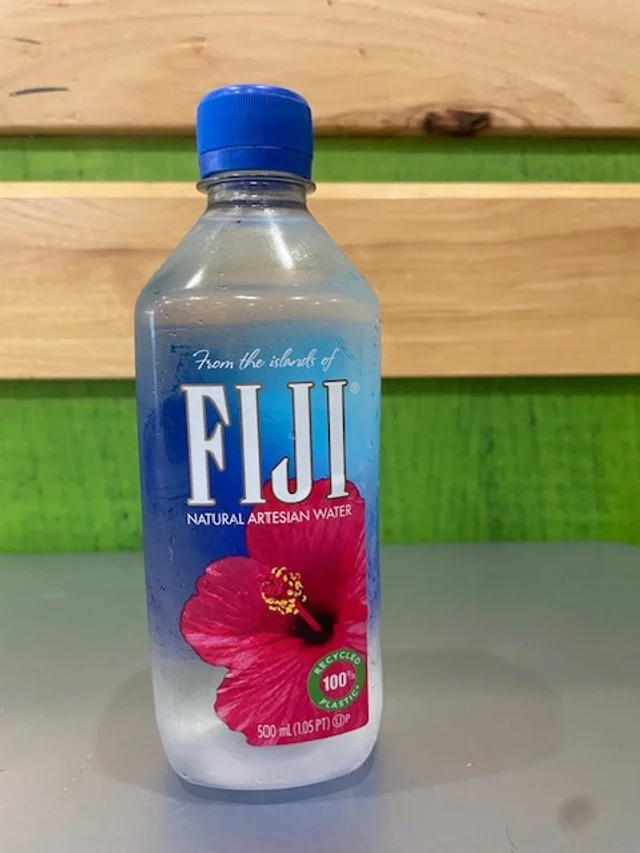
We’ve heard about gluten-free diets, casein-free diets, camel milk, and heavy metal detoxes. But lately, I’ve been hearing a surprising amount of buzz about something much simpler: water. Specifically, Fiji Water.
It sounds almost too easy, doesn't it? Can changing the brand of water your child drinks really have an impact on speech, sleep, or behavior? I was skeptical, but like many of you, I’m willing to try almost anything if it’s safe and has even a tiny chance of helping.
Here is a look at the theory behind the Fiji Water trend, what other parents are saying, and my own family's experience after testing it out for a week.
The Science (and Theories) Behind the Bottle
Why Fiji? Why not Evian, Dasani, or tap water?
It isn't about the tropical branding or the square bottle shape. The conversation revolves entirely around a specific mineral: Silica.
There is a scientific theory, largely championed by a researcher named Professor Christopher Exley (often called "Mr. Aluminum"), suggesting that aluminum accumulation in the brain could be a contributing factor to autism and Alzheimer's disease. While this is a controversial topic in the medical community and certainly not a universally accepted fact, it is the basis for the Fiji Water experiment.
Here is the logic:
Aluminum Retention: The theory posits that some individuals, including those with autism, may have difficulty excreting aluminum from their bodies, leading to a build-up in the brain.
The Silica Solution: Orthosilicic acid (a form of soluble silica) has a unique ability to bind with aluminum in the body.
The Detox: Once the silica binds to the aluminum, it helps the body flush it out through urine.
This is where Fiji Water comes in. Among the major bottled water brands, Fiji has one of the highest natural concentrations of silica (around 85 mg/liter). The idea is that by drinking this specific water, you are providing a gentle, daily aluminum detox for your child.
What Are Other Parents Saying?
If you spend enough time in the comments sections of autism support groups, you will see the anecdotes. And honestly, some of them are pretty compelling.
I’ve read stories from parents claiming that after switching to high-silica water, they noticed improvements in areas that had been stagnant for months or years. Some of the most common reports include:
Improved Speech: Parents of non-verbal or minimally verbal children claiming to hear new sounds or words.
Better Sleep: This is a big one. Many of our kids struggle with sleep regulation, and some parents swear the water helped settle them.
Increased Calm: Reports of fewer meltdowns and better emotional regulation.
Cognitive Gains: Better focus during therapy sessions or school.
Of course, anecdotal evidence isn't a clinical trial. We also have to account for the placebo effect—we want to see changes, so we look for them harder. But when you are exhausted and trying to help your child, anecdotal evidence is often enough to warrant a trip to the grocery store.
The Cost Factor
Before I get into my own experience, we have to address the elephant in the room: the price tag. Fiji Water is not cheap.
If you are committing to this, you aren't just buying one bottle. The protocols I’ve read online suggest the child needs to drink a significant amount daily to get enough silica to make a difference (often up to a liter a day, depending on the child's size).
At my local supermarket, a liter of Fiji goes for roughly $2.50 to $3.00. That adds up quickly, especially if you are already paying for private therapies, special diets, and supplements. It is definitely a privilege to be able to even consider swapping your household water for a premium imported brand.
My One-Week Experiment
After reading enough testimonials to pique my curiosity, I decided to give it a shot. I went to the store, cleared a shelf of those iconic square bottles, and brought them home.
My son is generally a good water drinker, which helps. If you have a child who refuses water or only drinks juice, this experiment might be a non-starter from day one.
The Taste Test
First off, the taste. High silica content gives water a "smoother" mouthfeel. It sounds pretentious to talk about the mouthfeel of water, but it’s true. It tastes soft. My son didn't object to the switch at all; in fact, he seemed to like it.
The Routine
We replaced all his drinking water with Fiji. I filled his school water bottle with it and served it with dinner. I aimed for him to drink about 750ml to a liter a day.
Our Results (So Far)
We have been doing this for exactly seven days.
I wish I could tell you that he suddenly started reciting Shakespeare or that he slept for 12 straight hours every night. But, being completely honest? We haven't noticed any real changes.
His sleep has been about the same (hit or miss). His speech is at his usual baseline. His behavior has been typical for him—some great moments, some struggles.
If I looked really closely, I could maybe convince myself he was a tiny bit more focused during his OT session on Thursday, but that could just be a good day. It’s impossible to attribute that directly to the water after only a week.
Why We Are Keeping It Up (For Now)
Despite the lack of an immediate "aha!" moment, I’m not throwing in the towel yet.
Most of the parents who reported success said it took time. Detoxification—if that is indeed what is happening—isn't an overnight process. Some forums suggest it takes three months of consistent use to see significant changes.
We have decided to stick with it for at least another few weeks. Here is why:
Hydration is Good Regardless: Even if the silica theory is a bust, he is drinking plenty of water. Proper hydration helps brain function, digestion, and energy levels for everyone, neurotypical or not. If the smooth taste encourages him to drink more, that's a win.
It’s Low Risk: Unlike some medication trials or restrictive diets that can cause side effects or nutritional deficiencies, drinking water is safe. The only real side effect here is the dent in my wallet.
The "What If": It’s the eternal parental hope. What if we are just a week away from seeing a benefit?
Things to Consider Before You Try
If you are thinking about hopping on the Fiji train, here are a few thoughts from one parent to another:
Plastic Concerns: One irony of drinking water to "detox" is that it comes in plastic bottles. While Fiji is BPA-free, microplastics are a concern for many. Some parents look for silica supplements (like silica drops) to add to filtered tap water as a more eco-friendly and cost-effective alternative, though the bioavailability might differ.
Manage Expectations: It is easy to get your hopes up when you see a viral post about a "miracle cure." Try to view this as a hydration experiment rather than a magic autism wand.
Check with your Pediatrician: It is always smart to mention dietary changes to your doctor, especially if your child has kidney issues, as kidneys process the minerals.
Where Do We Go From Here
Is Fiji Water a magic bullet for autism? Probably not. Autism is complex, beautiful, and challenging, and it’s unlikely that a bottle of water holds all the answers.
However, for families looking for a low-intervention avenue to explore, the "silica theory" is an interesting one. While our one-week trial hasn't yielded any fireworks, we are going to keep sipping and observing. At the very least, we are staying very, very hydrated.
I’ll update you if anything changes. Until then, keep doing your best. You’re doing a great job.
Disclaimer: This post reflects our personal opinions and experiences and is for informational purposes only. It is not intended as medical advice. Always consult a qualified healthcare professional regarding medical decisions or concerns.
